Straddling the border of Argentina and Brazil, Iguazu Falls is a roaring cathedral of water shaped by volcanic eruptions, indigenous legend, and centuries of human wonder. From the Guaraní people who first named it to the global travelers who stand speechless at its edge today, the story of Iguazu is as thunderous as the falls themselves.
The geological story of Iguazu Falls began roughly 130 to 150 million years ago, when massive volcanic eruptions flooded the region with basaltic lava flows. Over millions of years, the Iguazu River carved its way through this hardened basalt plateau, slowly eroding the rock and creating the dramatic cliff system we see today. Scientists estimate the falls themselves formed approximately 30,000 years ago when the river's erosive force broke through a particularly weak point in the basalt, triggering a cascading retreat of the waterfall's edge that continues — at a geologically imperceptible pace — to this day. The result is one of the most geologically dynamic waterfall systems on Earth.
Long before European explorers arrived, the Guaraní people inhabited the lush subtropical forests surrounding what they called 'Iguazú,' meaning 'great water' in their native language. Guaraní oral tradition explained the falls through a powerful creation myth: a deity named Mboi, furious that a warrior had fled downstream with a young woman named Naipí — whom the god had claimed for himself — sliced the river apart, creating the enormous chasm that produces the falls. Naipí was said to have been transformed into a rock at the base of the falls, forever kissed by the mist and spray. This legend remained the primary framework for understanding Iguazu for thousands of years.
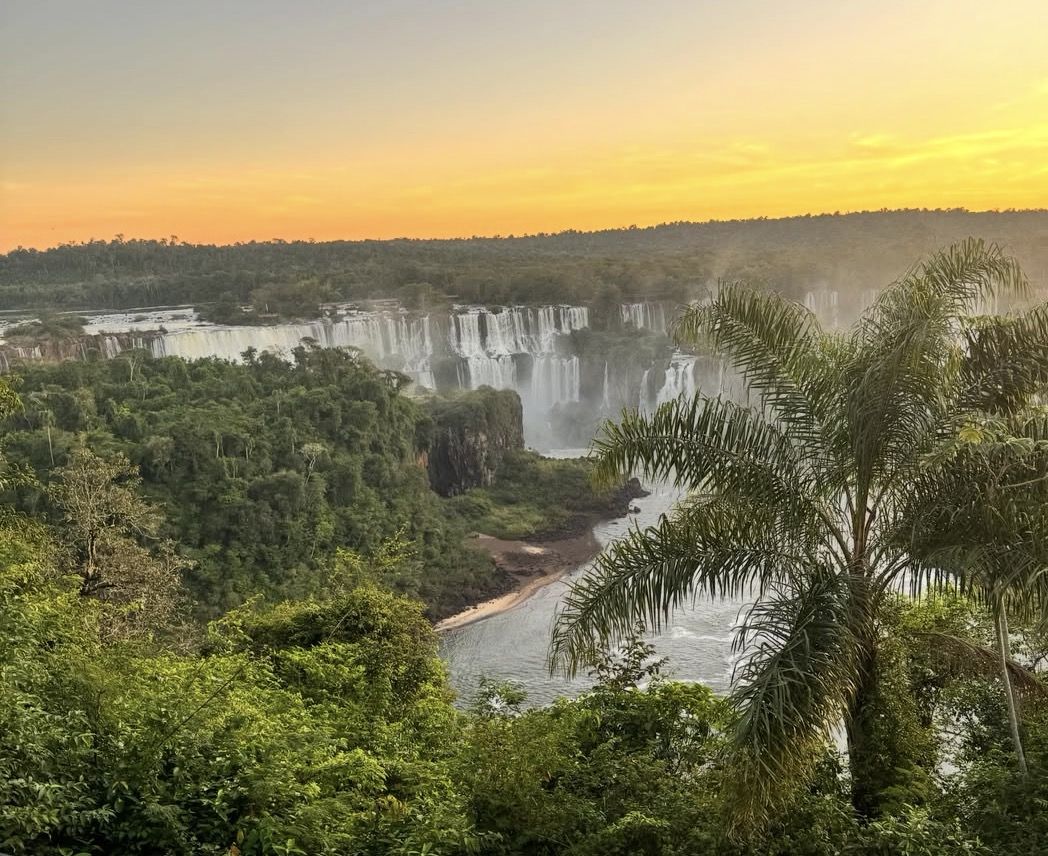
The first European to record seeing Iguazu Falls was Spanish conquistador Álvar Núñez Cabeza de Vaca, who encountered them on January 21, 1541, during his overland expedition from the Brazilian coast to Asunción in present-day Paraguay. Cabeza de Vaca was reportedly so overwhelmed by the sight and sound of the falls that his men were unable to approach by canoe, forcing them to carry their boats through the surrounding jungle on foot. He named the cataract 'Saltos de Santa María,' a name that never stuck, as the indigenous Guaraní name Iguazú proved far too deeply embedded in local identity to be replaced by colonial nomenclature.
Following Cabeza de Vaca's account, the falls largely faded from European consciousness for nearly three centuries. Jesuit missionaries operating in the region from the early 1600s were likely aware of the falls, but produced no widely circulated documentation. It was not until 1892 that Brazilian engineer Júlio Furtado led an expedition that formally reintroduced Iguazu Falls to the modern world. The following year, Brazilian President Floriano Peixoto visited the site, catalyzing national interest and prompting Argentina and Brazil to begin discussing how to manage and protect this extraordinary natural resource that straddled their shared border.
The late 19th and early 20th centuries saw the region transition from remote wilderness into an emerging destination. Argentina established the Iguazú National Park in 1934, and Brazil followed suit with the Iguaçu National Park in 1939 — spelling the name according to Portuguese orthography. The construction of roads and early tourism infrastructure brought the first wave of international visitors to the falls. Argentina's federal government played an active role in managing access, and basic hotels began appearing near the Argentine side, laying the foundation for what would become one of South America's most important tourism corridors.
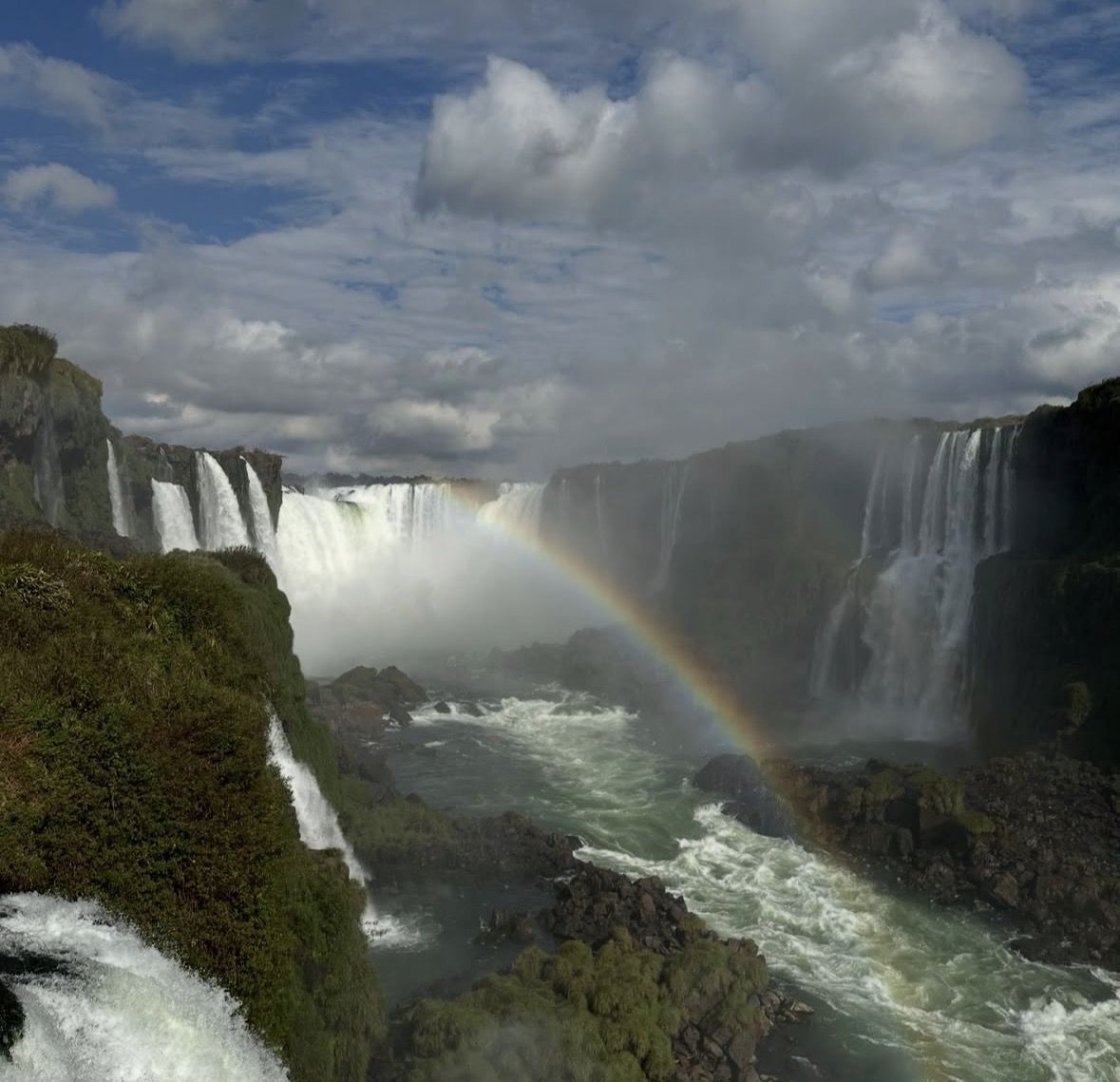
The global significance of Iguazu Falls was formally cemented when UNESCO inscribed Argentina's Iguazú National Park as a World Heritage Site in 1984, citing its outstanding natural beauty and exceptional biodiversity. Brazil's Iguaçu National Park received the same designation two years later, in 1986. The UNESCO listings acknowledged not only the visual spectacle of the falls but also the extraordinary ecological value of the surrounding Atlantic Forest, one of the most biodiverse biomes on the planet. The parks collectively shelter over 2,000 plant species, 400 bird species, and mammals including jaguars, tapirs, and giant anteaters.
The UNESCO designations supercharged international tourism to the region throughout the late 1980s and 1990s. Improved airport infrastructure in both Foz do Iguaçu on the Brazilian side and Puerto Iguazú on the Argentine side made the falls accessible to travelers from across the globe. Luxury hotels, including the iconic Hotel das Cataratas — located inside the Brazilian park itself and opened to guests as early as 1958 — were upgraded and expanded to meet surging demand. Both governments invested heavily in visitor walkways, boat excursions, and interpretation centers, transforming the raw wilderness experience into a structured yet awe-inspiring adventure.
In 2011, Iguazu Falls achieved another milestone when it was voted one of the New Seven Wonders of Nature in a global poll organized by the New7Wonders Foundation, receiving tens of millions of votes worldwide. The announcement was a point of immense national pride for both Argentina and Brazil, and it triggered a significant new surge in international visitor numbers. Conservation challenges accompanied this popularity, however, as park authorities on both sides of the border worked to manage footfall, protect wildlife corridors, and balance the economic benefits of tourism with the ecological imperative to preserve the integrity of the surrounding forest ecosystem.
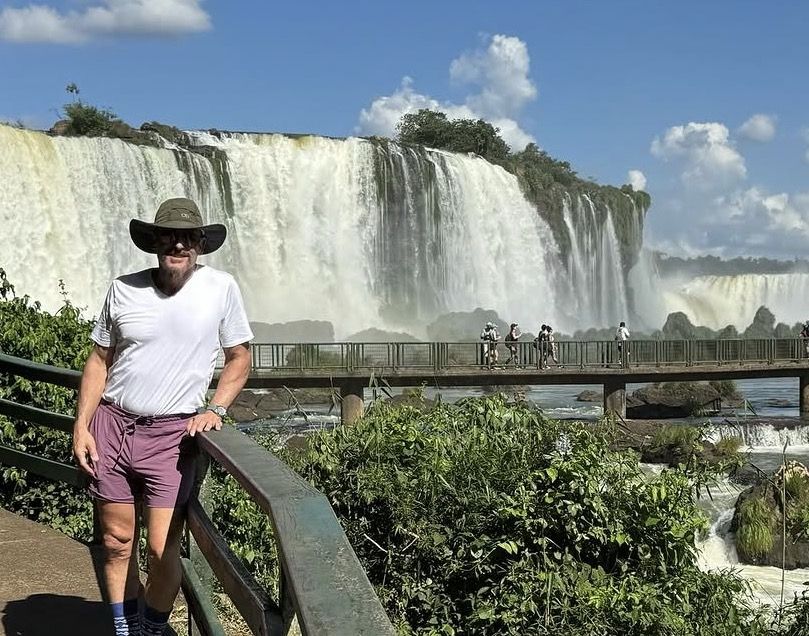
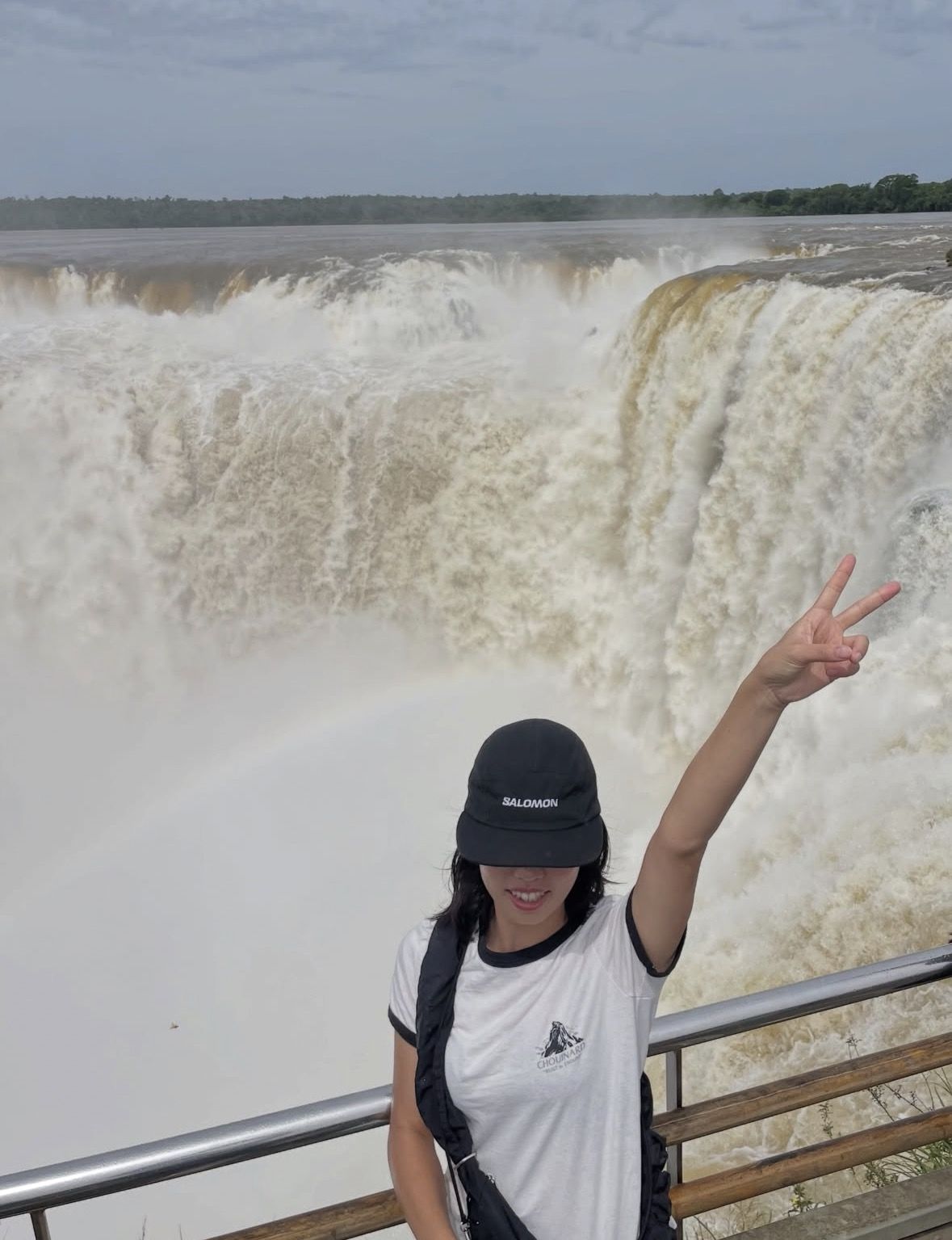
Today, Iguazu Falls draws approximately 1.5 to 2 million visitors annually across both the Argentine and Brazilian parks, making it one of the most visited natural attractions in the entire Southern Hemisphere. The Argentine side offers unparalleled proximity — elevated walkways bring visitors within arm's reach of the cascades, and a boat excursion called the Gran Aventura plunges passengers directly beneath the falls. The Brazilian side delivers the sweeping panoramic perspective, with a long clifftop promenade revealing the full, awe-inspiring width of the 2.7-kilometer waterfall arc in a single breathtaking view.
More than a geological marvel or a tourist landmark, Iguazu Falls remains a living symbol of the natural world's power to humble even the most seasoned traveler — a fact Eleanor Roosevelt allegedly acknowledged when she reportedly murmured 'Poor Niagara' upon first seeing it. Whether you approach from the Argentine jungle trails at dawn, take a sunset helicopter flight from the Brazilian side, or simply stand at the railing of Devil's Throat as the mist soaks through your clothes and the roar drowns out every other sound in the world, Iguazu delivers an encounter with nature that no photograph, article, or superlative can fully prepare you for. It must simply be experienced.
Ready to Experience It Yourself?
Guided tours of Iguazu Falls unlock access to the best viewpoints on both the Argentine and Brazilian sides, with expert naturalist guides who bring the ecology, geology, and legend of the falls to vivid life. Whether you have one day or a full week to explore, a well-planned tour ensures you miss nothing — from the thundering Devil's Throat at sunrise to a boat ride straight into the cascade's heart. Browse our handpicked selection of Iguazu tours and secure your spot at one of the planet's most extraordinary natural wonders.
Book Your Tour Now